
Epsom salt is one of those old-school remedies that actually holds up. Your grandmother probably soaked her feet in it after a long day – and the science backs her up. Here’s a complete, honest guide to what Epsom salt does, how it compares to other bath salts, and exactly how to use it (even if you’ve never owned a bathtub).
What is Epsom salt?
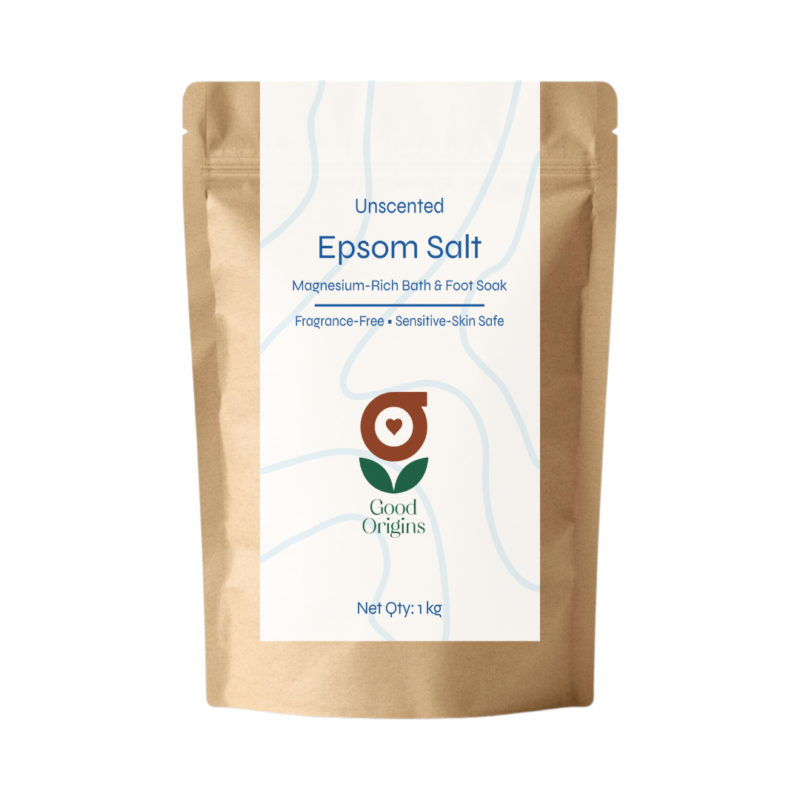
Despite the name, Epsom salt isn’t really table salt – it’s magnesium sulphate, a naturally occurring mineral compound of magnesium, sulphur and oxygen. It gets its name from the town of Epsom in England, where it was first discovered in a natural spring. Dissolved in warm water, it’s used to ease sore muscles, soften skin and help you unwind. It’s gentle, inexpensive and one of the easiest ways to turn an ordinary bath or foot soak into something restorative.
Epsom salt vs other bath salts
Not all bath salts are the same. Here’s how Epsom compares to the other popular options you’ll see in India:
| Salt | What it is | Best for |
|---|---|---|
| Epsom salt | Magnesium sulphate | Sore muscles, relaxation, soft feet – the all-rounder |
| Himalayan pink salt | Mineral-rich rock salt | Gently softening and conditioning the skin |
| Himalayan black salt | Sulphur-rich rock salt | Traditionally used for its detox reputation |
| Dead Sea salt | Mineral-dense sea salt | Mineral soaks – but usually imported and pricier |
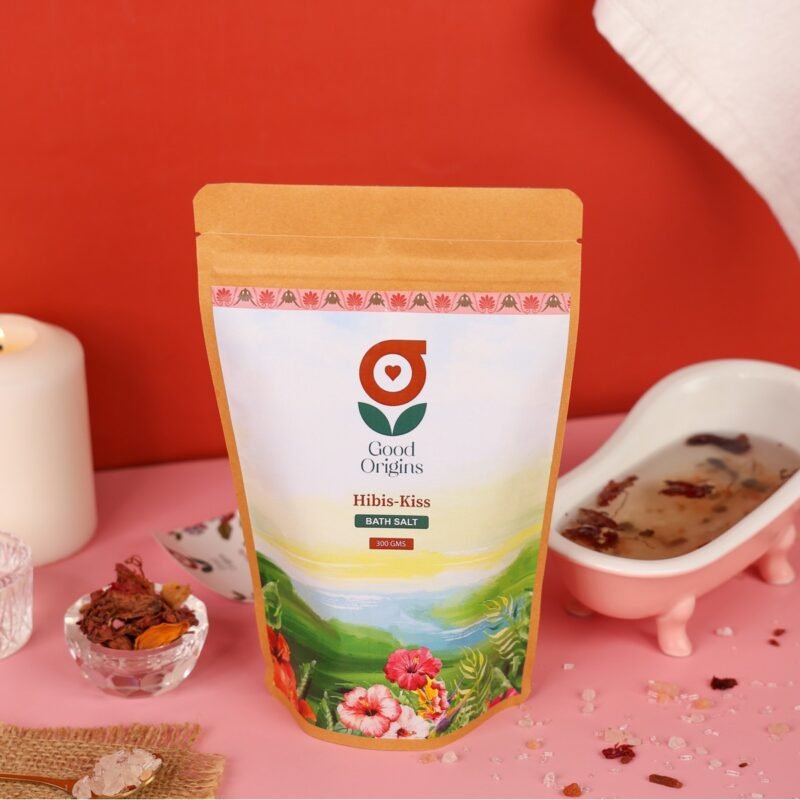
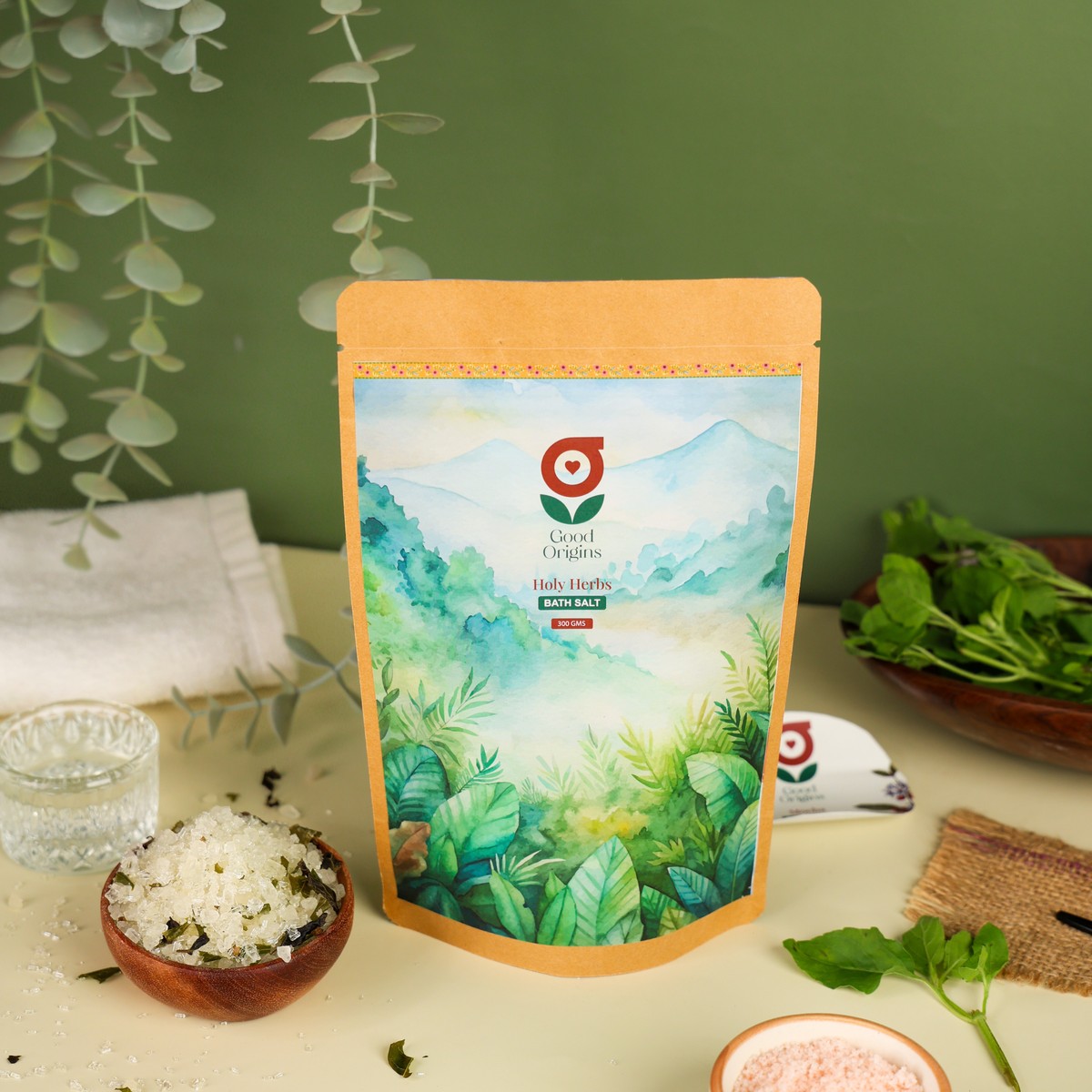
The best bath salts combine a few of these. Ours pair mineral-rich Epsom salt with Himalayan salt and real dried botanicals – no synthetic fragrance.
The benefits of Epsom salt
1. Eases sore, tired muscles. A warm magnesium-rich soak is a long-time favourite after a workout or a long day on your feet. As our customer Arun V. put it: “Using this after gym sessions – it helps SO much with muscle soreness. The minerals really work!”
2. Softens rough feet and cracked heels. A simple 15-minute foot soak works wonders on hard, dry heels. Rajesh P. told us: “My feet feel so soft after a foot soak – total game changer for cracked heels!”
3. Helps you relax and sleep. Warm water plus magnesium is a classic wind-down ritual. Neha S.: “Perfect way to unwind after a stressful day. Just 15 minutes of soaking and I feel brand new.”
4. Leaves skin soft and smooth. An Epsom soak can help smooth and soften the skin, especially rough spots like elbows, knees and heels.
5. Refreshes tired, achy feet. If you’re on your feet all day, a regular foot soak is one of the simplest ways to give them some care.
How to use Epsom salt (no bathtub required)
This is the part most guides skip – you do not need a bathtub to enjoy Epsom salt. Here are the three easiest ways:
- Foot soak: Add 2-3 tablespoons to a tub or bucket of comfortably warm water. Soak your feet 15-20 minutes. Ideal for cracked heels and tired feet.
- Bucket bath: Dissolve a generous scoop (about half a cup) in a bucket of warm water and bathe as usual. As Deepa G. said: “Makes my bucket bath feel luxurious – don’t need a bathtub to enjoy this!”
- Full bath (if you have a tub): Add a big scoop to warm water and soak for 15-20 minutes.
How much and how often?
For most people, 2-3 times a week is plenty. Use warm – never scalding – water, soak for around 15-20 minutes, and rinse off with clean water afterwards. Follow with a light body oil or moisturiser to lock in softness, especially on heels and elbows.
Epsom salt for specific needs
For cracked heels: Soak feet 15-20 minutes, then gently use a pumice stone and moisturise.
After the gym: A warm soak the same evening helps with that next-day soreness.
For stress and sleep: Try a warm soak 30-60 minutes before bed, lights low, phone away.
Common mistakes to avoid
- Using water that’s too hot – it can dry out your skin. Warm is best.
- Skipping the rinse and moisturiser afterwards.
- Soaking far longer than 20 minutes thinking it works better – it doesn’t.
A few precautions
If you’re pregnant or have a health condition such as diabetes or a heart condition, check with your doctor before regular soaking. Don’t use on broken or irritated skin, and never drink it. If your skin is sensitive, patch-test first.
FAQ
Do I need a bathtub to use Epsom salt? No – a bucket bath or foot-soak basin works perfectly.
How much Epsom salt should I use? About 2-3 tablespoons for a foot soak, or a generous scoop for a bucket or full bath.
Can I use Epsom salt every day? 2-3 times a week is ideal for most people.
Is Epsom salt good for cracked heels? Yes – a regular foot soak is one of its most loved uses.
Does Epsom salt help with sleep? Many people find a warm soak before bed helps them relax.
Can I drink Epsom salt? No – the bath-grade salt used for soaking is for external use only.
Our bath salts are all built on a base of mineral-rich Epsom salt, blended with Himalayan salt and real botanicals – no synthetic fragrance. Explore the Bath Salt range, or learn how to choose the best bath salt in India.