
There’s a reason hibiscus has been part of Indian beauty rituals for centuries. The same flower your grandmother used for her hair is just as powerful in your bath – and a hibiscus bath salt soak might be the most underrated 20 minutes of self-care you can give yourself.
What is hibiscus bath salt?
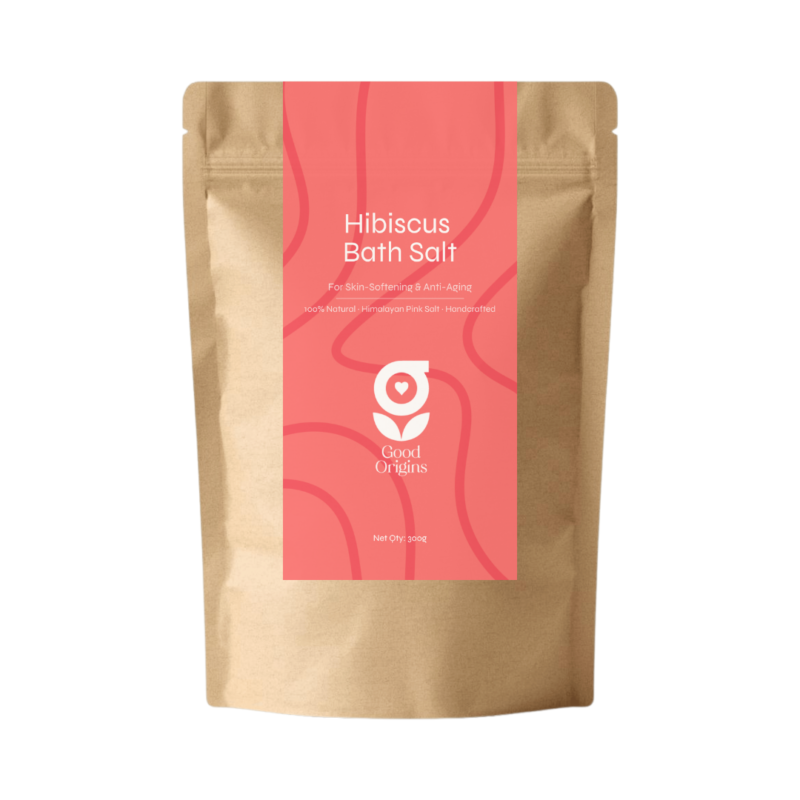
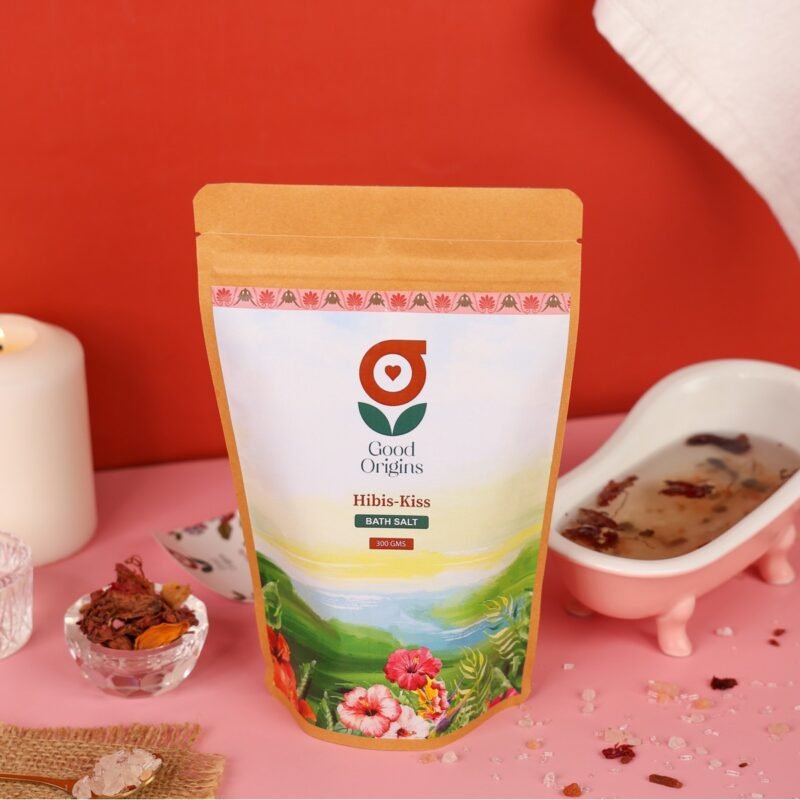
Hibiscus bath salt blends mineral-rich salts – like Epsom salt and Himalayan salt – with dried hibiscus flowers and skin-loving botanicals. As it dissolves in warm water, the minerals and flower extracts release into your bath, turning an ordinary soak into a gentle, skin-softening ritual. No synthetic fragrance, no harsh chemicals – just flowers and salt.
The benefits of a hibiscus bath
1. Softer, smoother skin. Hibiscus is naturally rich in gentle plant acids that help slough away dull, dry skin and leave it feeling baby-soft.
2. A natural glow. Those same plant acids support brighter, more even-looking skin over time – without anything aggressive.
3. Deep relaxation. Epsom salt is loved for easing tired, achy muscles. After a long day or a workout, a warm hibiscus soak helps your body and mind switch off.
4. A spa-like ritual. As customer Ritika B. told us: “The smell stays even after draining the water. My bathroom smells like a spa now.”
How to use hibiscus bath salt (no bathtub needed)
- Add a generous scoop to warm water – a bathtub, a bucket bath, or a foot-soak basin all work.
- Soak for 15-20 minutes.
- Rinse with clean water, pat dry, and follow with a light body oil to lock in softness.
Tip: light a candle, put your phone away, and keep it screen-free. That’s where the magic is.
FAQ
How often should I use a hibiscus bath? 2-3 times a week is plenty.
Will it stain my tub? Rinse after – the natural flower colour washes away easily.
Can I use it as a foot soak? Absolutely – same benefits, less water.
Ready to try it? Our Hibiscus Bath Salt blends dried hibiscus, rose petals and Himalayan salt for a floral soak that softens skin and melts away stress – clean, handcrafted, no nasties.
What hibiscus adds to a soak
Hibiscus brings two things worth having. Mild fruit acids, which is why it appears in so many traditional hair and skin preparations, and anthocyanins, the pigments that give the petals their colour and carry antioxidant activity.
In a bath both are gentle. This is not an active treatment and should not be sold as one. What it does reliably is soften water, scent it without synthetic fragrance, and leave skin feeling smoother than plain salt does.
How to actually use it
Dissolve first
Add to running water so the salt dissolves before you get in. Undissolved crystals are scratchy.
Warm, not hot
Hot water strips skin and defeats the point. Comfortably warm.
Twenty minutes
Long soaks waterlog skin and leave it more fragile, not softer.
Moisturise damp
Within three minutes of getting out, on skin that is still damp. This is the step that makes the difference.
Who should go easy
Will hibiscus stain my bathtub?
Not at bath concentrations. Rinse the tub afterwards and no colour remains.
Is it good for dry skin?
In moderation. Use less salt than you would for a muscle soak and moisturise on damp skin straight after.
Can I use it as a hair rinse?
The salt is not ideal for hair. Use a hibiscus powder or infusion for that rather than a bath salt.
How is it different from plain Epsom?
Epsom is the magnesium sulphate base. Hibiscus adds petals, a light scent and mild fruit acids. For sore muscles, plain Epsom in larger quantity is the better choice.