

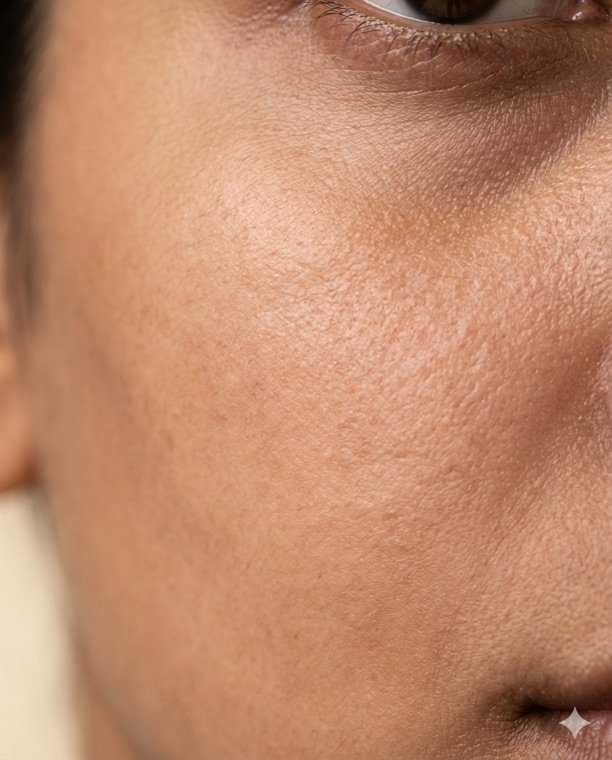
Ayurveda 101
Ayurveda’s big idea is beautifully simple: your skin isn’t like everyone else’s, so your routine shouldn’t be either. It starts with your dosha.
The three doshas — Vata, Pitta and Kapha, describe your natural constitution. Understanding yours helps you choose ingredients that actually suit your skin instead of guessing.
The three skin types
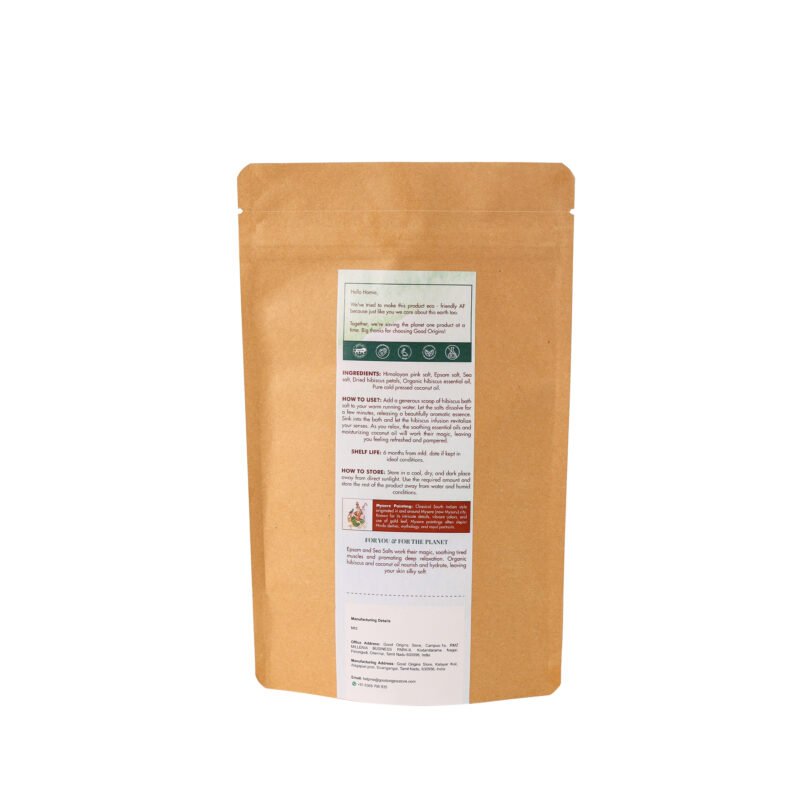
Vata skin
Dry, thin, prone to flaking and early fine lines. Needs deep nourishment, rich oils, hydrating ubtan, gentle care.
Pitta skin
Sensitive, warm, prone to redness, acne and pigmentation. Needs cooling, soothing ingredients — wild turmeric, sandalwood, rose.
Kapha skin
Oily, thick, prone to congestion and blackheads. Needs gentle exfoliation and oil balance — orange peel, ubtan, clay.
Combination (dual dosha)
Most people are a mix. Treat each zone for its need, hydrate dry areas, balance oily ones.
Ingredients by dosha
- Vata (dry): coconut oil, ubtan with milk, nourishing balms.
- Pitta (sensitive): wild turmeric, cooling packs, rose water.
- Kapha (oily): orange peel, exfoliating scrubs, lighter oils.
Is a dosha quiz accurate?
Not in any testable sense. Treat it as a way of organising thinking rather than a diagnosis.
Can my dosha change?
Traditionally the balance shifts with season, age and stress, which in practice means your routine should change too.
What if I get different results each time?
Common. Go by how your skin behaves instead, which is the useful part anyway.
New to wild turmeric? Start with our complete guide to kasturi manjal, which covers how to tell the real thing from cooking turmeric.
For the full picture on lip darkening and what a balm can realistically fix, read our guide to pomegranate lip balm for dark lips.
Face & Body Scrub (Ubtan)From ₹399.00Shop now →Wild Turmeric (Kasturi Manjal) PowderFrom ₹399.00Shop now →Orange Peel PowderFrom ₹399.00Shop now →
A caution about dosha quizzes
Dosha is a useful traditional framework for thinking about patterns, and it is worth saying that it is not a diagnostic test. Online quizzes tend to produce whichever answer you were already leaning toward, and two quizzes will often give you two different results.
The practical value is not the label. It is the habit of matching what you use to how your skin actually behaves, which is genuinely useful and does not require a Sanskrit category to work.
The version that works without the quiz
Skip the label and answer three questions about your own skin. This lands most people in the right place faster than any questionnaire.
- How does it feel an hour after washing with plain water? Tight means dry. Shiny at the T-zone means combination. Shiny everywhere means oily. Stinging means a compromised barrier, and that needs repair before anything else.
- What happens when you try something new? Redness within a day means reactive skin, and the answer is fewer products, not different ones.
- How does it change with the season? Skin that swings hard between summer and winter needs two routines, not one compromise.
What to change, by behaviour
Dry and tight. Heavier oils, honey and milk bases, fewer actives, and never let a pack dry fully.
Oily and breakout-prone. Lighter textures, rose water bases, and resist over-cleansing. Stripping oily skin triggers more oil.
Reactive and easily red. Short ingredient lists, fragrance free, and one change at a time with two weeks between changes.
Frequently asked questions
Can I have more than one dosha?
Yes, most people are a combination of two doshas, with one usually dominant. Treat each concern accordingly.
How do I know my skin’s dosha?
Observe your skin: dry and thin (Vata), sensitive and reactive (Pitta), or oily and thick (Kapha). Your dominant tendency is your guide.
Does dosha change with seasons?
Yes, skin can lean drier in winter (Vata) or oilier in monsoon (Kapha), so it’s normal to adjust your routine seasonally.
