

Seasonal Guide
Monsoon changes everything for your skin and hair, humidity, sweat and dampness need a different routine. Here’s your complete seasonal reset.
The same products that worked in summer can leave you greasy, breakout-prone and flaky in monsoon. A few smart swaps keep your skin clear and hair strong all season.
Monsoon skin care
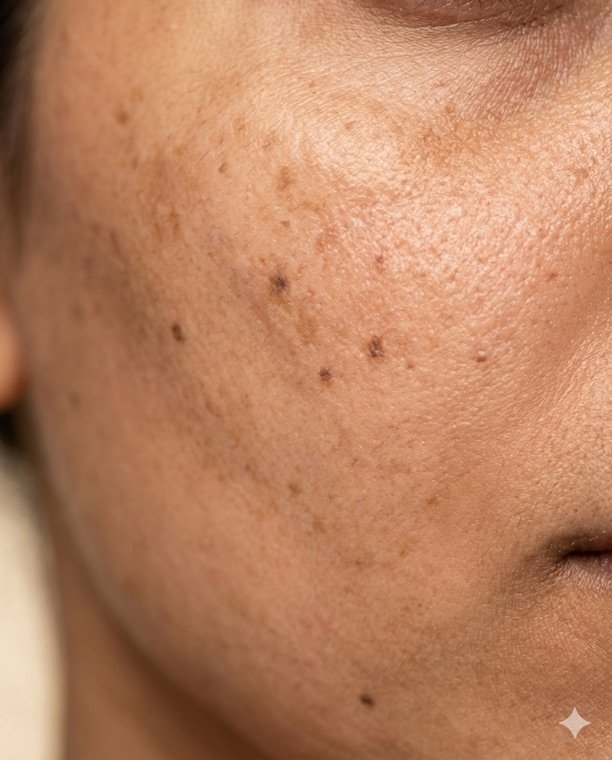
- Switch to gentle exfoliation — humidity means more dead-cell and sweat build-up; a mild scrub 1–2x a week keeps pores clear.
- Fight breakouts naturally — wild turmeric packs help control oil and blemishes.
- Don’t skip sunscreen — UV penetrates clouds. Pigmentation still happens in monsoon.
- Keep skin dry & clean to avoid fungal acne and rashes.
Monsoon hair care
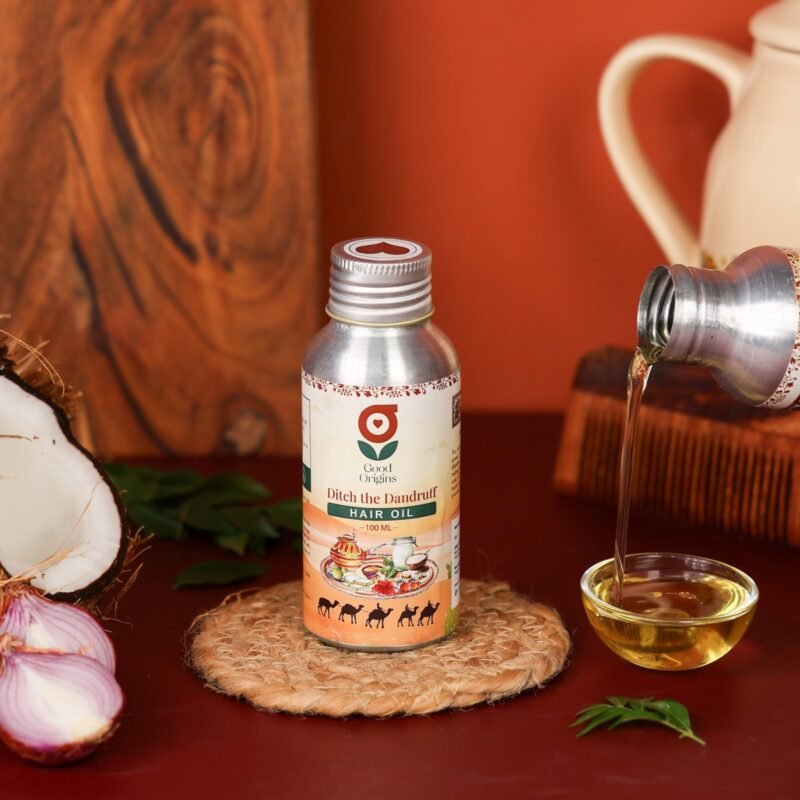
Oil twice a week
Strengthen roots against humidity-driven hair fall with a nourishing pre-wash oil.
Wash more often, gently
Clear sweat and rain residue 2–3x a week with a mild herbal cleanser.
Never sleep on wet hair
Damp roots + humidity = breakage and fungus. Dry fully.
Treat dandruff early
The #1 monsoon hair-fall trigger, tackle flakes before they spread.
Do I need sunscreen when it is cloudy?
Yes. UVA passes through cloud and glass, and it is the wavelength most involved in pigmentation.
Why is my skin oily and dry at the same time?
Surface oil with a dehydrated barrier underneath. The fix is a lighter moisturiser, not none.
Should I change my whole routine?
No. Change the weight of what you use and the frequency of washing. That covers most of it.
Monsoon Hair Care Kit ₹699.00Shop now →Wild Turmeric (Kasturi Manjal) PowderFrom ₹399.00Shop now →Anti-Dandruff Hair OilFrom ₹399.00Shop now →
What humidity actually does to skin and hair
Two opposite problems arrive at once, which is why monsoon advice so often contradicts itself.
Skin gets oilier on the surface because heat and humidity raise sebum output, while the barrier underneath can still be dehydrated. That combination is why people break out and feel tight in the same week, then over-cleanse and make both worse.
Hair holds moisture and stays damp for hours, which weakens the shaft and gives scalp yeast the warm damp conditions it prefers.
The monsoon switch, in four changes
Lighter, not less
Swap heavy creams and oils for something lighter. Skipping moisturiser entirely makes oiliness worse, not better.
Keep the sunscreen
Cloud does not block UVA. Skipping it in the monsoon is the most common reason tan does not fade all year.
Wash hair more often
Two to three times a week, and dry it properly before tying.
Cut the packs back
One a week. Humid skin is already reactive and more actives is the usual cause of monsoon breakouts.
Three things to stop
Frequently asked questions
Why does my skin break out more in monsoon?
Humidity and sweat trap oil and bacteria in pores. Gentle exfoliation and oil-control ingredients like wild turmeric help keep skin clear.
Should I oil my hair in the rainy season?
Yes, but keep it to twice a week and always wash it out. Oiled roots left too long in humidity can encourage fungus.
Do I need sunscreen during monsoon?
Yes. UV passes through clouds, so pigmentation and tanning continue even on grey, rainy days.
