

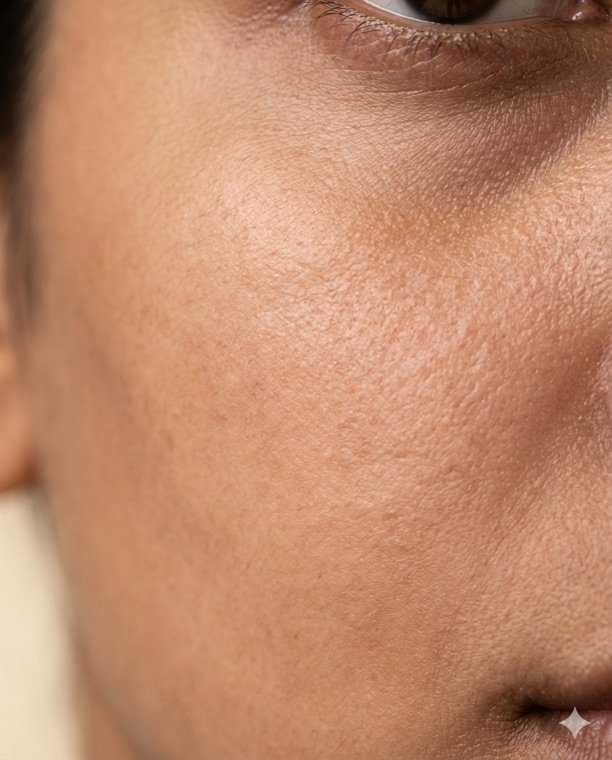
Skin Concerns
Pigmentation fades slowly, but it does fade. With the right natural actives and a little patience, uneven tone and dark spots genuinely improve.
Whether it’s sun spots, post-acne marks or tanning, pigmentation comes down to excess melanin. Two things clear it: reducing new melanin (sun protection + brightening actives) and gently renewing skin.
Natural ingredients that fade pigmentation
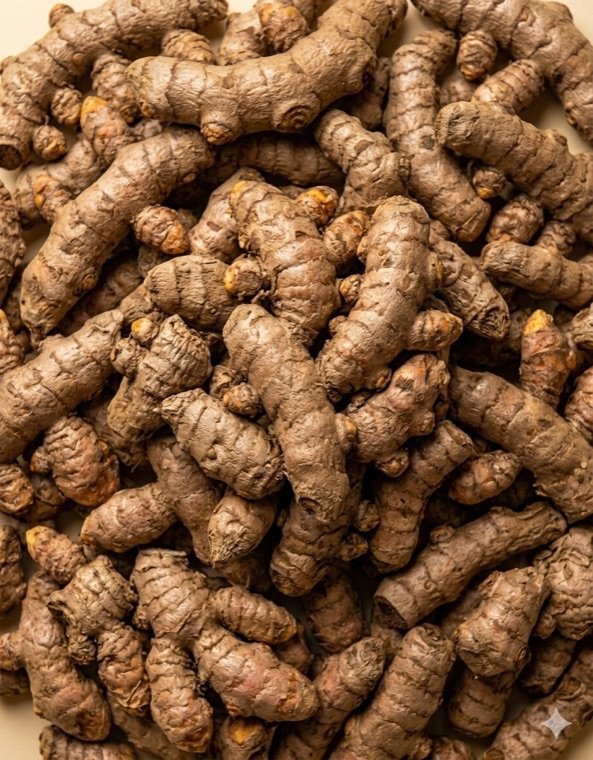
- Wild turmeric (kasturi manjal) — a traditional brightening, spot-fading powder that doesn’t stain skin.
- Vitamin C from orange peel — helps inhibit excess melanin and brightens dullness.
- Gentle exfoliation to shed pigmented surface cells.
- Daily sun protection — non-negotiable, or spots keep returning.
The routine that fades spots
Brightening face pack 2–3x/week
Mix wild turmeric with curd or honey, apply 15 minutes, rinse. It targets spots without staining.
Add vitamin C
Use orange peel powder in your pack for a brightening boost against dullness.
Exfoliate gently, weekly
Buff away pigmented dead cells so new, even skin surfaces.
Protect daily
Sunscreen every morning, this is what stops spots from coming back.
Will these packs lighten my natural skin tone?
No, and they are not meant to. They fade tan and even out patchiness. Anything sold as skin whitening is a different and far more troubling category of product.
How long before I see anything?
Surface dullness lifts in about two weeks. Genuine pigment fading takes six to eight weeks of consistent use, plus daily sun protection.
Can I use turmeric and orange peel together?
Yes, and they complement each other. Keep it to twice a week and rinse before the pack dries fully.
Do dark spots come back?
They can, if the trigger is still there. Sun exposure and picking at spots are the two biggest reasons pigmentation returns after it has faded.
Wild Turmeric (Kasturi Manjal) PowderFrom ₹399.00Shop now →Orange Peel PowderFrom ₹399.00Shop now →
First, work out which pigmentation you actually have
This matters more than the ingredient you pick, because the three common types respond very differently and only one of them reliably fades with home care.
Tan. Sun darkening across exposed areas, even in tone, fades on its own over months. This is the one that genuinely responds to turmeric, orange peel and consistent sunscreen.
Post-inflammatory marks. The flat brown patches left behind by a spot or an insect bite. They fade on their own in three to twelve months. Home care can speed that up a little. Picking at the original spot slows it down a lot.
Melasma. Symmetrical patches, usually across the cheeks, forehead or upper lip, often triggered by pregnancy or hormonal contraception. This one does not reliably respond to home remedies, comes back with sun exposure, and needs a dermatologist. The American Academy of Dermatology sets out what actually works there.
The part nobody wants to hear
Sunscreen does more for pigmentation than every pack in this article combined. Not because packs do nothing, but because pigment is a sun-driven process. Fading a spot while adding new UV exposure every day is emptying a bath with the tap running.
If you only change one thing, make it daily sun protection, applied properly and reapplied. The amount most people use is roughly a quarter of what is needed.
What will not work, whatever you have read
When to stop experimenting and see a doctor
See a dermatologist if patches are symmetrical across both cheeks, if a spot changes shape, colour or size, if pigmentation appeared suddenly without sun exposure, or if nothing has shifted after three months of consistent care. Melasma in particular needs prescription treatment and is genuinely difficult to manage alone.
Frequently asked questions
How long does pigmentation take to fade naturally?
Surface pigmentation and tan can fade in 6–8 weeks; deeper or hormonal pigmentation takes longer and needs consistent sun protection.
Does wild turmeric stain the skin?
No, unlike kitchen turmeric, wild turmeric (kasturi manjal) is non-staining, which is why it’s prized for face packs.
Can I use turmeric and orange peel together?
Yes, they pair beautifully, turmeric brightens and fades spots while vitamin C from orange peel tackles dullness.
