
Hair Care
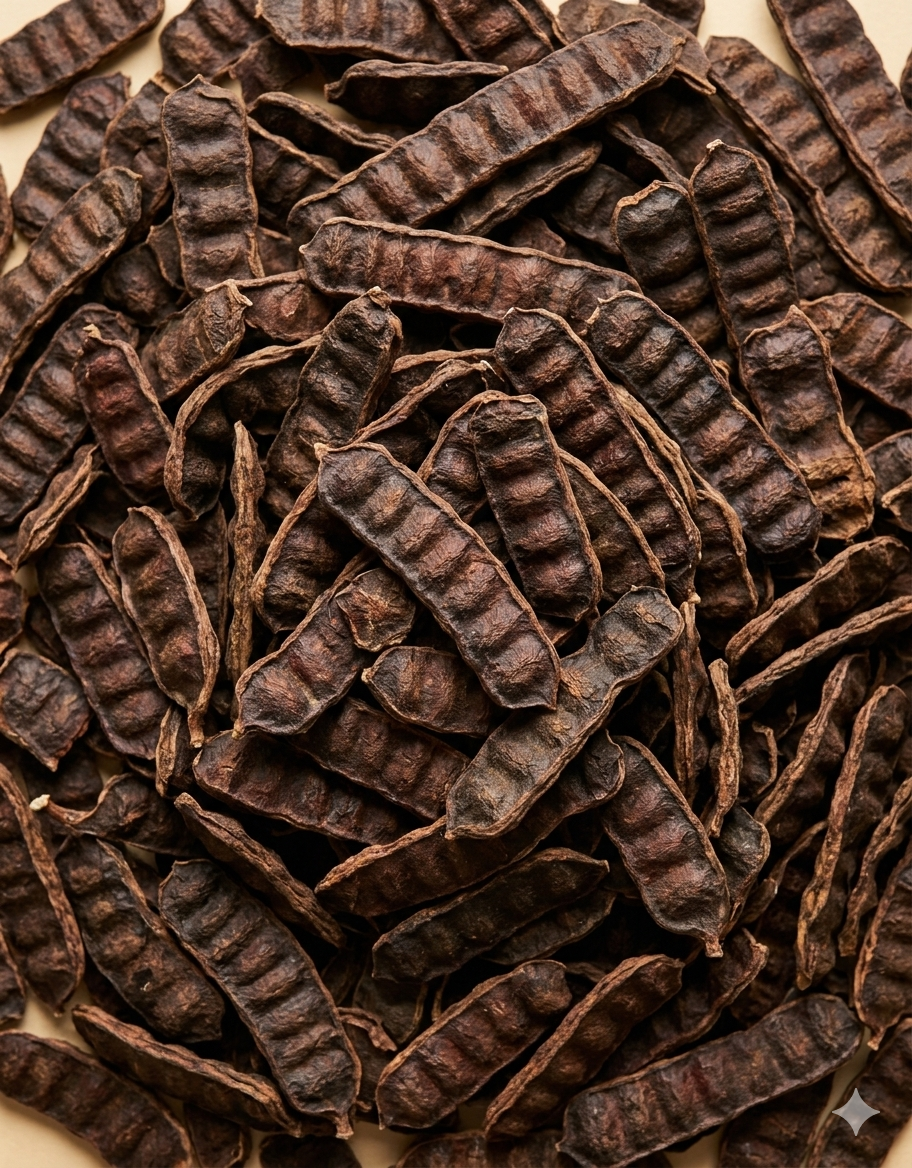
Shikakai has cleaned Indian hair for centuries, long before the word shampoo existed. But can a herb powder really replace your bottle? Mostly yes, with a couple of honest caveats.
Regular shampoos clean using sulphates, harsh detergents that strip oil so effectively they also strip your scalp’s natural balance. Shikakai cleans gently through natural saponins. It lifts dirt and oil without the squeaky, stripped feeling, which is exactly why dry and colour-treated hair does better on it.
What a shikakai wash actually does
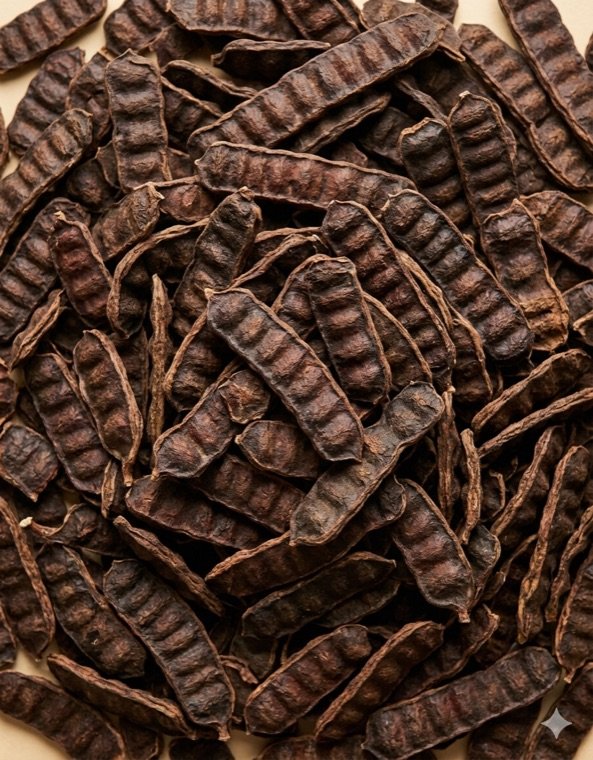
- Cleans gently: no sulphates, so your scalp keeps its natural moisture.
- Low pH, hair-friendly: smooths the cuticle instead of roughing it up.
- Adds shine over time: less stripping means less frizz and breakage.
The honest caveats
Make it even better
Shikakai handles cleansing. Pair it with amla for strength and shine, and a weekly oil massage for the scalp, and you have a full sulphate-free routine.
Shop the routine
What actually happens when you stop using sulphates
The first two or three washes feel wrong. Less lather, hair feels coated, roots look greasier by day two. Most people quit here and conclude the herb does not work.
What is happening is that your scalp has been over-producing oil to compensate for being stripped, and it takes a few weeks to recalibrate. The adjustment is real and it is temporary. Give it three to four washes before judging.
Where shikakai genuinely falls short
Being honest about this is more useful than pretending otherwise.
- It will not cut heavy silicone build-up. If you use a lot of serum or styling product, you will want a clarifying wash occasionally. That is not a failure of the herb, it is chemistry.
- It does not lather, and lather is not cleaning. But it does mean you need to work it through properly rather than expecting foam to do the distribution for you.
- Hard water fights it. Much of urban India has hard water, which leaves a film regardless of what you wash with. A filter helps more than switching herbs.
- It is a cleanser, not a growth treatment. A gentle wash protects the hair you have. It does not make new hair, whatever the packaging says.
How to make the switch without the greasy fortnight
Mix thin, not thick
A thin paste distributes. A thick one sits in one place and rinses out badly.
Work the scalp only
Fingertips on the scalp for two minutes. The rinse-off cleans the length on its way down.
Rinse longer than feels necessary
Powder residue is the main cause of dullness after a herb wash. Rinse twice as long as you think.
Lukewarm, always
Hot water lifts the cuticle and undoes the point of a gentle cleanser.
Why is there no lather?
Saponins clean without foaming. Lather is a detergent effect we have been trained to associate with clean, not a measure of it.
My hair feels greasy after switching. What went wrong?
Usually nothing. Your scalp is recalibrating after years of being stripped. Give it three to four washes. If it persists past six, you are likely under-rinsing.
Can I use it on coloured hair?
Yes, and it is gentler on colour than a sulphate shampoo. It will not strip tone the way a clarifying wash does.
How often should I wash?
Twice a week suits most people. Daily washing with anything, herb or shampoo, works against you.
New to it? Read how to use shikakai powder for hair wash and our guide to the best ayurvedic hair oils for growth.
Can shikakai fully replace shampoo?
For most hair types, yes. If you use heavy styling products or lots of silicone, do an occasional gentle clarifying wash too.
How often should I wash with shikakai?
Two to three times a week suits most people. It is gentle enough that it will not strip your scalp even with regular use.