

Scalp Care
Dandruff isn’t just about flakes on your shoulders, it’s a sign your scalp needs rebalancing. Here’s how to clear it naturally and keep it away.
Chemical anti-dandruff shampoos often work for a week, then the flakes return worse, because they strip the scalp and trigger even more oil and irritation. The Ayurvedic approach calms the root cause instead.
What actually causes dandruff
- Fungal overgrowth (Malassezia) feeding on scalp oil, worse in humidity and sweat.
- Dryness — an under-nourished scalp flakes just like dry skin.
- Product build-up from silicones and harsh surfactants.
- Stress & diet that tip your scalp out of balance.
Clear it naturally in 4 steps
Pre-wash oil treatment
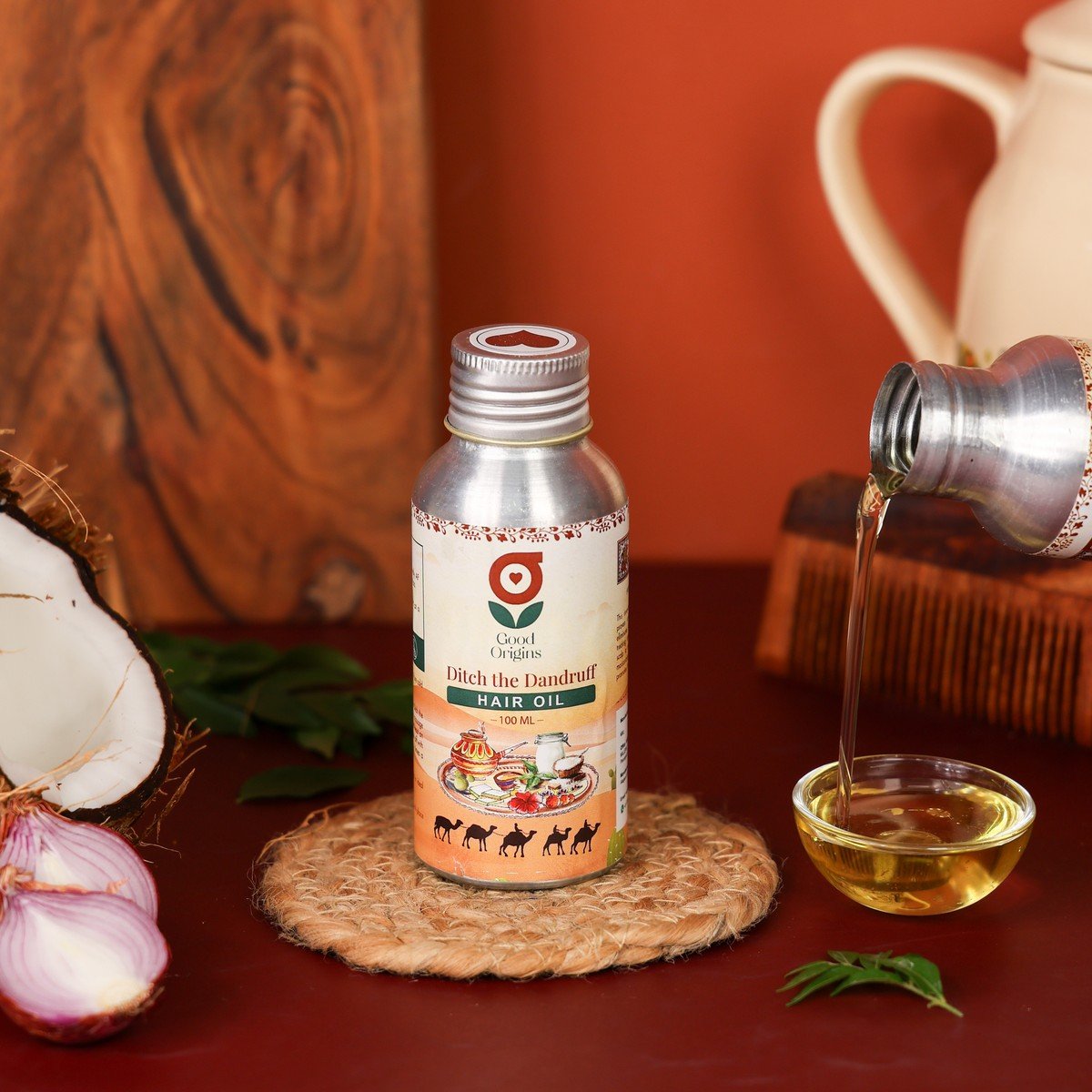
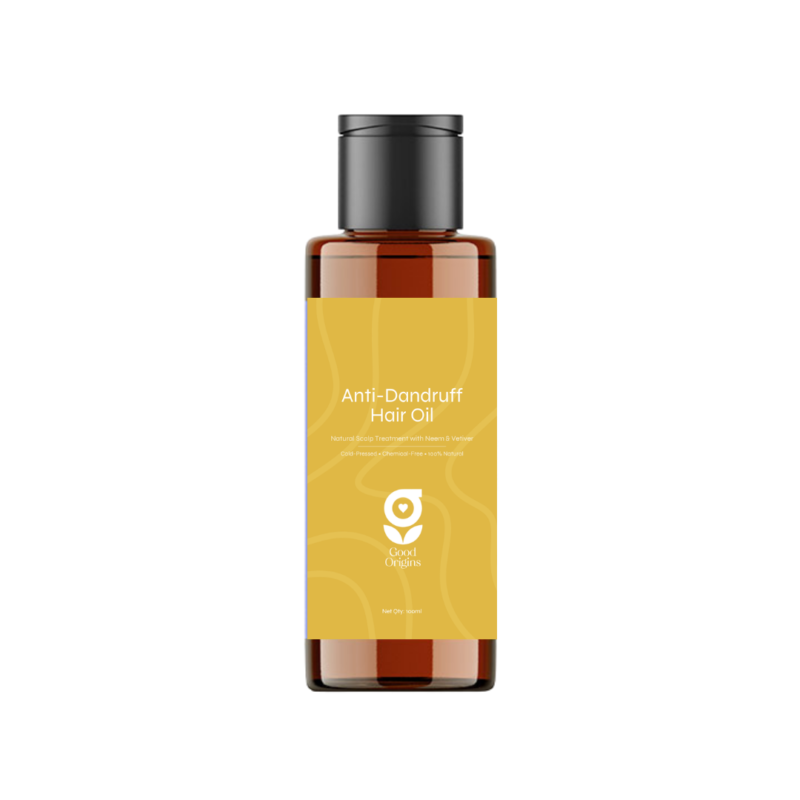
Massage an anti-dandruff hair oil (neem, tea tree, bhringraj) into the scalp. Neem is antifungal; it targets the root cause.
Leave it 30–60 minutes
Give the herbs time to work on the fungus and soothe itching. A warm towel wrap helps.
Wash with a herbal cleanser
Use shikakai/reetha instead of sulphate shampoo, it cleans without stripping, so flakes don’t rebound.
Repeat 2x a week
Consistency clears dandruff in 2–3 weeks and keeps it from returning.
Is dandruff caused by dry scalp?
Usually not. Most dandruff is a yeast overgrowth, which is why moisturising often makes it worse.
Should I stop oiling completely?
No, but keep it to an hour before washing rather than overnight, and always wash it out.
Can dandruff cause hair loss?
Indirectly. The inflammation and scratching cause shedding. Treating the scalp usually settles it.
Why does it come back every monsoon?
Humidity favours the yeast. Wash more often in those months rather than less.
Anti-Dandruff Hair OilFrom ₹399.00Shop now →Shikakai Hair Wash PowderFrom ₹399.00Shop now →
Dandruff is a fungus, not dryness
This is the part that changes what you do. Most dandruff is driven by Malassezia, a yeast that lives on everyone’s scalp and overgrows in some people, feeding on skin oils and triggering flaking and itch.
That is why moisturising a flaky scalp usually makes it worse. You are feeding the thing causing the problem. It is also why dandruff gets worse in humidity, during stress, and when you leave oil on for days.
If your flakes are small, white and dry with a tight scalp, that may genuinely be dryness. If they are larger, yellowish and greasy, with redness underneath, that is seborrhoeic dermatitis and the AAD guidance is the right starting point.
The oiling mistake almost everyone makes
When it is not dandruff
See a doctor if you have well-defined silvery plaques that extend past the hairline, which suggests psoriasis, or if there is oozing, crusting, pain or hair loss in patches. Persistent flaking that has not moved after two months of consistent care also deserves a proper look rather than another bottle.
Frequently asked questions
How long does natural dandruff treatment take?
Most people see a big drop in flakes within 2–3 weeks of a twice-weekly neem oil + herbal wash routine.
Is dandruff caused by dryness or oiliness?
Both types exist. Oily dandruff (fungal) is most common in India’s humid climate; dry dandruff comes from an under-nourished scalp. A neem oil routine helps both.
Can I use anti-dandruff oil daily?
Twice a week is enough. Daily use isn’t necessary and can leave the scalp greasy.
